
Umrah vs Hajj: Understanding the Key Differences for UK Pilgrims
27 November 2026
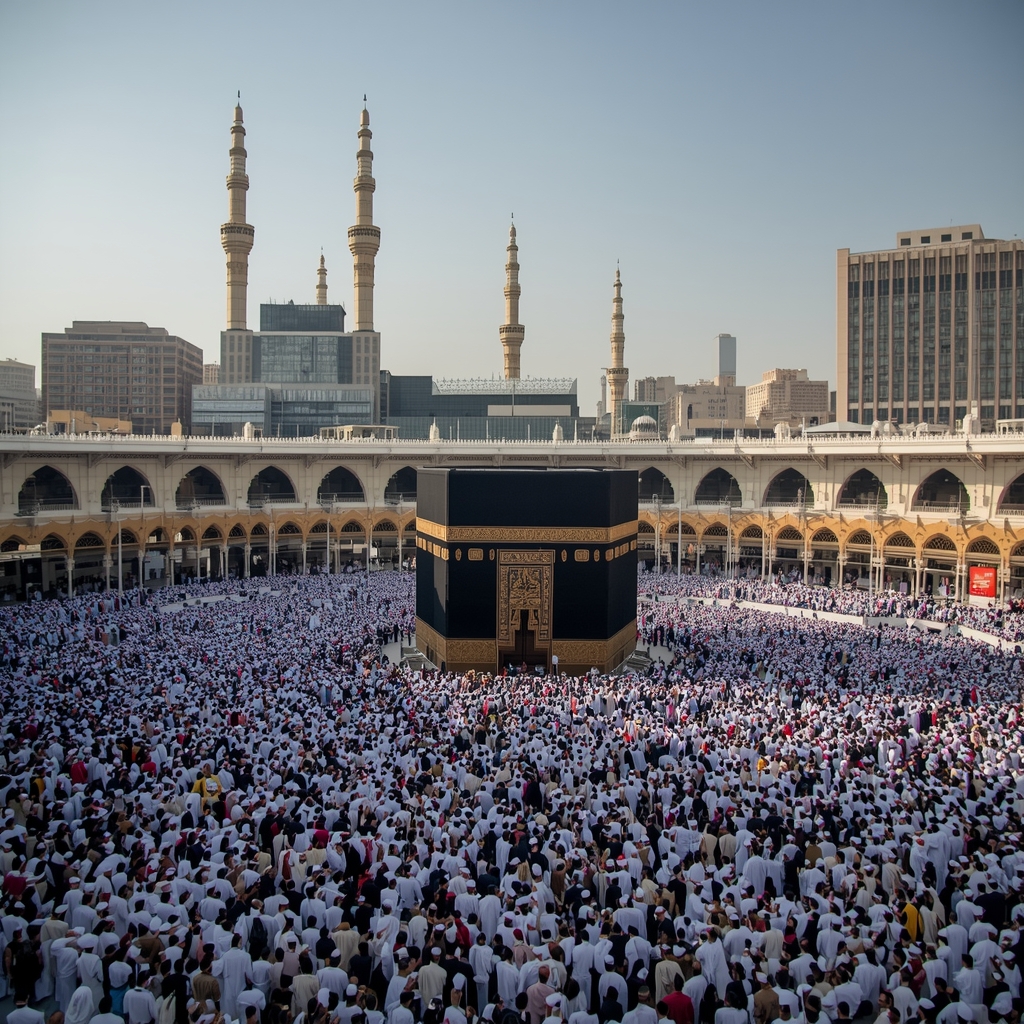
In short, Umrah is a short, optional pilgrimage that can be performed any time of the year, while Hajj is a mandatory, once‑in‑a‑lifetime rite that must be completed during specific days of the Islamic calendar. Both involve travel to the holy cities, but their rituals, timing, and legal requirements differ markedly.
- Umrah can be done any month; Hajj is limited to Dhu l‑Hijja.
- Umrah rituals are shorter (Tawaf, Sa’i, and optional prayers); Hajj adds standing at Arafat, staying at Muzdalifah, and the symbolic stoning.
- Visa types are separate: an Umrah visa is year‑round, a Hajj visa is only for the Hajj season.
- Cost structures vary – Umrah packages often include flexible hotel choices; Hajj packages focus on proximity to the rites.
- Both require adherence to Saudi Ministry of Hajj and Umrah regulations.
What is the fundamental difference between Umrah and Hajj?
The core distinction lies in obligation and timing: Hajj is one of the Five Pillars of Islam, required once for every Muslim who meets health and financial criteria, and it must be performed during a set window in Dhu l‑Hijja. Umrah, by contrast, is a voluntary act of worship that can be undertaken at any time of the year and does not carry the same legal weight.
Both pilgrimages start and end at the Masjid al‑Harām in Makkah, but Hajj extends the journey to Mina, Arafat, and Muzdalifah, incorporating additional rites that symbolize the Prophet Muhammad’s (peace be upon him) farewell pilgrimage. The Saudi Ministry of Hajj and Umrah oversees the official regulations for both, ensuring that pilgrims follow the prescribed sequence of acts.
When must each pilgrimage be performed?
Hajj is fixed to the Islamic month of Dhu l‑Hijja, specifically from the 8th to the 12th day, with the most critical day being the 9th (Arafat). The Hajj dates follow the Islamic calendar and change each year, so check the official Saudi Ministry calendar for the exact dates.
Umrah has no such calendar constraints. Pilgrims may travel any month, though many UK travellers prefer cooler months to avoid the Saudi summer heat. For guidance on optimal timing, see Mina Tours’ seasonal article Best Time to Go on Umrah from London: A Seasonal Guide for 2026. This helps you plan around school holidays and airline availability.
What are the ritual steps for Umrah versus Hajj?
Both start with entering the state of Ihram – a sacred intention and clothing. After that, Umrah consists of three main acts: Tawaf (seven circuits around the Ka‘bah), Sa’i (walking between Safa and Marwah), and the final Tawaf (Tawaf al‑Wada). The entire Umrah can be completed in a few hours.
Hajj incorporates the Umrah rites but adds several mandatory components: standing (Wuḍūʿ) at Arafat on the 9th of Dhu l‑Hijja, spending the night at Muzdalifah, performing the symbolic stoning of the Jamaraat in Mina, and offering the sacrifice (or its monetary equivalent). Rules on the sequence of rites are set by the authorities, so check the official Saudi source for current requirements.
How do the costs and package options differ for UK pilgrims?
Cost is a major differentiator. Umrah packages start from £795 per person for a 7-night budget option, with higher-end hotel options available; ask us for current pricing across all tiers. Hajj packages cost more than Umrah packages, and we can give you the price for the specific Hajj holiday you are considering.
Mina Tours structures its Umrah offerings in 7, 10, and 14‑night tiers, all inclusive of return flights, visas, hotel rooms in Makkah and Madinah, and ground transport. Optional Ziyarah visits to historic Islamic sites can be added, so ask us for the details and cost. For a detailed breakdown of current pricing, consult the guide How Much Does Umrah Cost From UK in 2026? Complete Price Guide. Hajj packages, meanwhile, place greater emphasis on proximity to the Haram and the Mina tent city, which can limit the choice of luxury hotels.
Which legal requirements and visas are needed for each?
Both pilgrimages require a Saudi visa issued by the Saudi Ministry of Hajj and Umrah. Visa rules change, so check the official Saudi government source or ask us to confirm the visa requirements before booking.
Entry documents can vary, so check the official Saudi government source or ask us to confirm what you need before booking. Visa fees and how they are paid can change, so ask us to confirm the current costs before booking. Mina Tours includes the visa cost in its all‑inclusive price, as explained in Does an Umrah Package Include a Visa? The 2026 UK Guide.
Can I combine Umrah with Hajj in one trip?
Whether Umrah can be combined with Hajj depends on current rules, so check the official Saudi government source or ask us to confirm before booking. Combining both rites can be complicated, so check the official Saudi guidance or ask us for advice on your plans.
Ask us for details about whether we can arrange an Umrah after Hajj and when it would take place. Ask us to confirm the rules that apply to performing Umrah around Hajj before booking.
FAQs
Is Umrah mandatory for all Muslims?
No, Umrah is a voluntary act of worship; it is highly recommended but not obligatory.
How many nights does a typical Umrah package include?
Mina Tours offers 7, 10 or 14‑night options, letting pilgrims choose based on budget and desired time for Ziyarah.
Do I need a separate visa for Umrah and Hajj?
Visa requirements and validity periods change, so check the official Saudi government source or ask us to confirm before booking.
Can I perform Umrah right after completing Hajj?
After the Hajj days end, you may undertake Umrah, but many prefer to wait a few weeks to avoid fatigue.
Are the hotels the same for Umrah and Hajj packages?
Ask us for details about the hotel options available on our Umrah and Hajj packages.
If you’re ready to experience the spiritual depth of either pilgrimage, Ask us for details about the options we can offer for your budget, dates and comfort preferences. Contact us today to start planning your journey.
Frequently asked questions
Is Umrah compulsory for Muslims?
No, Umrah is a voluntary pilgrimage that can be performed at any time of the year, unlike Hajj which is obligatory once in a lifetime for those who are physically and financially able.
How long does a typical Umrah trip from the UK last?
Most UK operators, including Mina Tours, offer 7‑ to 14‑night packages; the length depends on the itinerary and whether you add optional Ziyarah.
Do I need a separate visa for Umrah and Hajj?
Yes. The Saudi Ministry of Hajj and Umrah issues distinct visas; a Hajj visa is only valid during the designated Hajj period, while an Umrah visa can be obtained year‑round.
Can I perform Umrah immediately before or after Hajj?
Performing Umrah within the prohibited days (the first three days of Dhu l‑Hijja) is not allowed; otherwise a short Umrah before Hajj is permissible, but many pilgrims prefer to wait until after Hajj.
Are the accommodation standards the same for Umrah and Hajj packages?
Not necessarily; Umrah packages often include a wider range of hotel categories, from budget to 5‑star, whereas Hajj packages focus on proximity to the Haram and Mina camps, sometimes limiting luxury options.